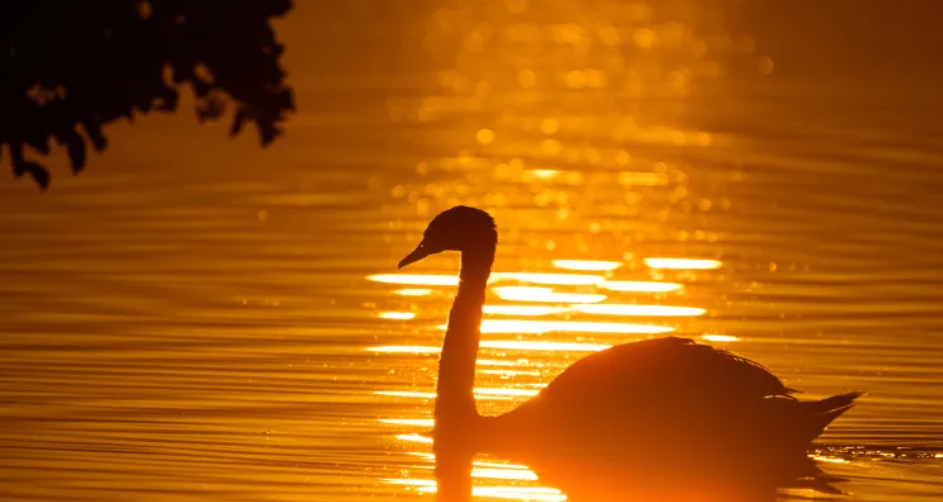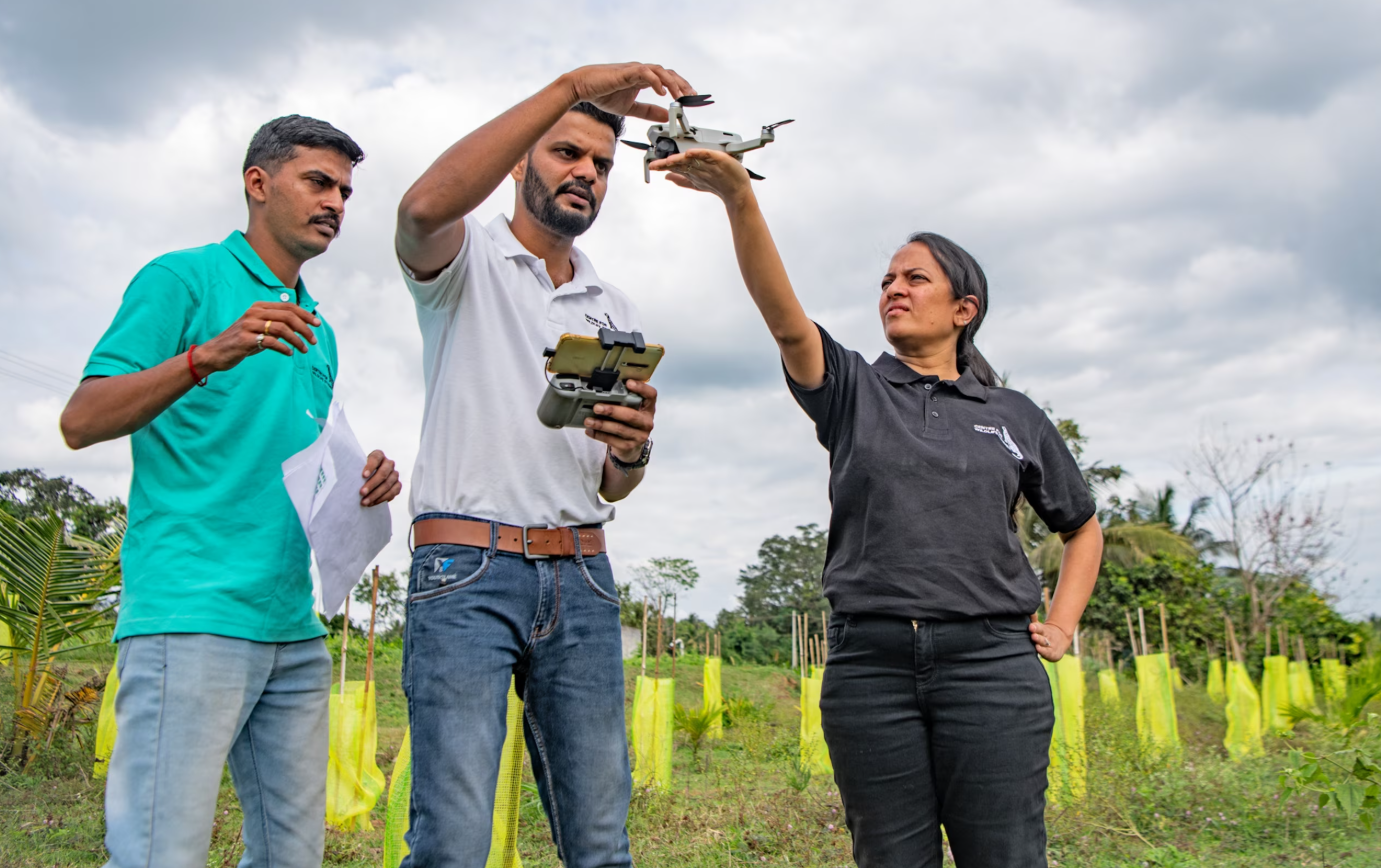
Conservation biologist Krithi Karanth, who champions the role that community engagement plays in protecting wildlife, has been chief executive officer of India’s Centre for Wildlife Studies since 2024. For that work, she’s been named the 2026 Rolex National Geographic Explorer of the Year, an award recognizing significant contributions to research and conservation. Read more:National Geographic

Author Archives: Admin
Five Astounding Ways Humans Are Driving Animal Evolution”
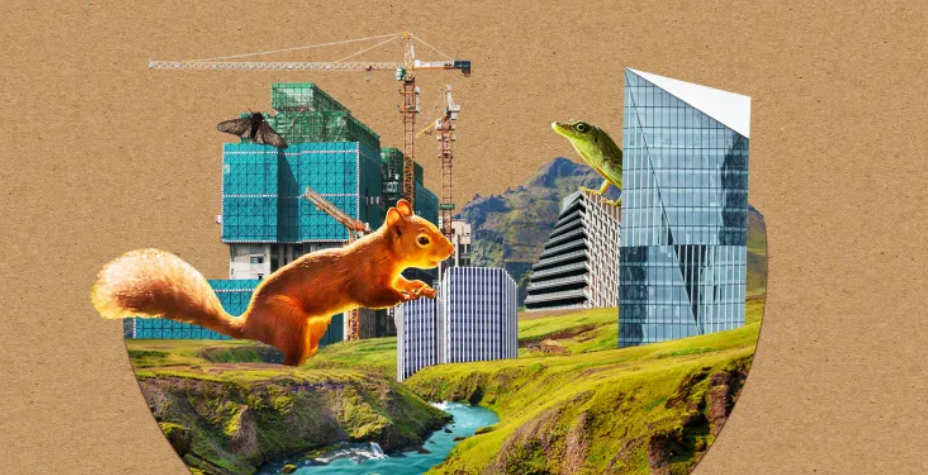
We are rapidly changing the world that many animal species inhabit. Humans are developing wilderness into cities, re-engineering ecosystems by introducing invasive species, polluting the planet in myriad ways and driving changes to earth’s climate. But in response, some animals are evolving at a surprisingly fast pace through what some have called “unnatural selection.” Read more: Smithsonian Magazine
When It Comes to Conservation, Are Ugly Animals a Lost Cause?”
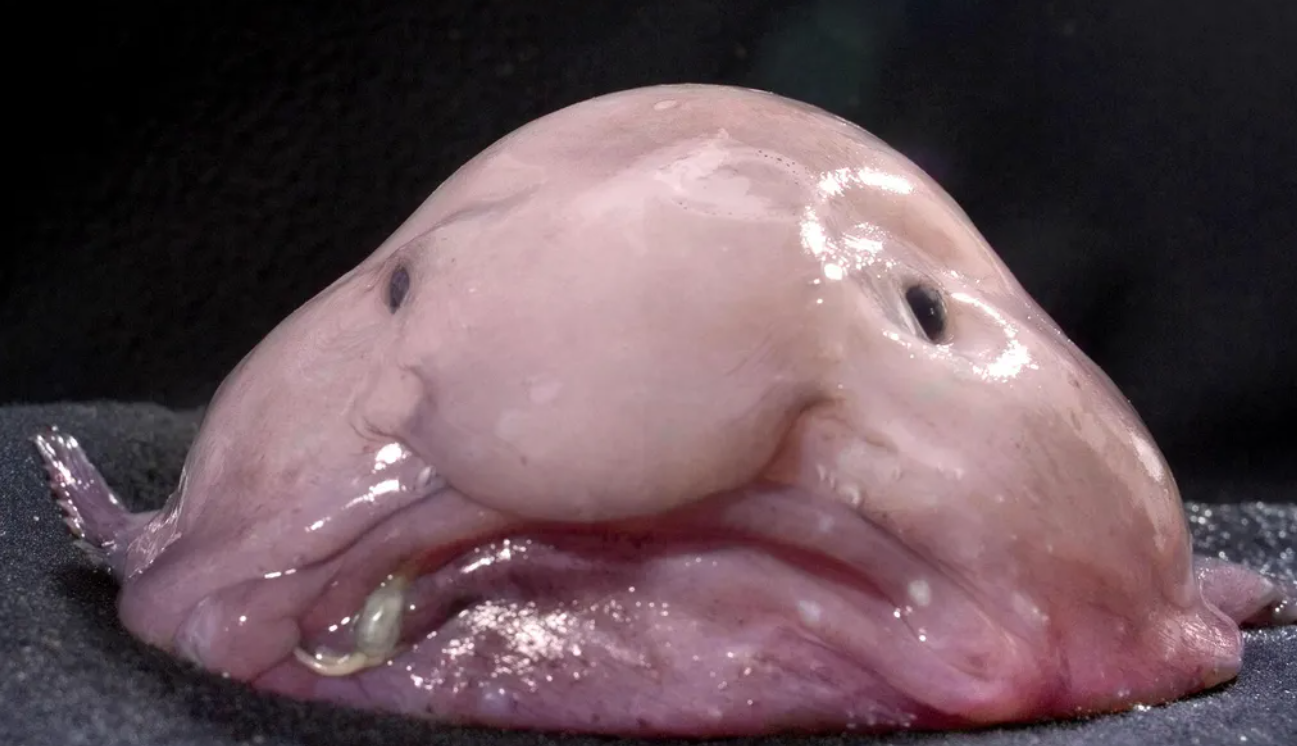
Very popular species attract the most wildlife conservation funding. But what about the Nimba otter shrew, the Cuban greater funnel-eared bat or other threatened yet obscure species? And don’t all imperiled green spaces, not just the homes of snow leopards and orangutans, deserve attention? Read more: Smithsonian Magazine
Why Wolverines Are the Arctic Animal We Love to Hate”
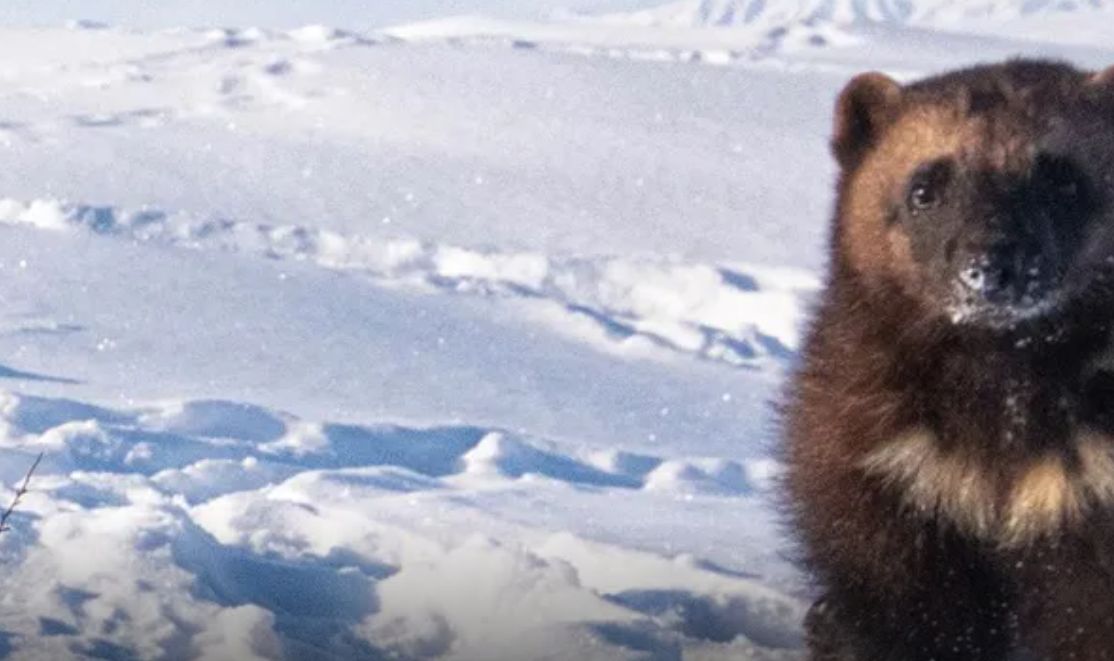
No creature of the Far North is less beloved than the wolverine. It has none of the polar bear’s soulfulness, or the snowy owl’s spooky majesty, or even the dewy white fairy-tale mischievousness of the Arctic fox. The wolverine is best known for unpleasantness—this dog-size weasel has daggerlike claws and jaws strong enough to tear apart a frozen moose carcass. Read more: Smithsonian Magazine
Animal Personalities Can Trip Up Science”
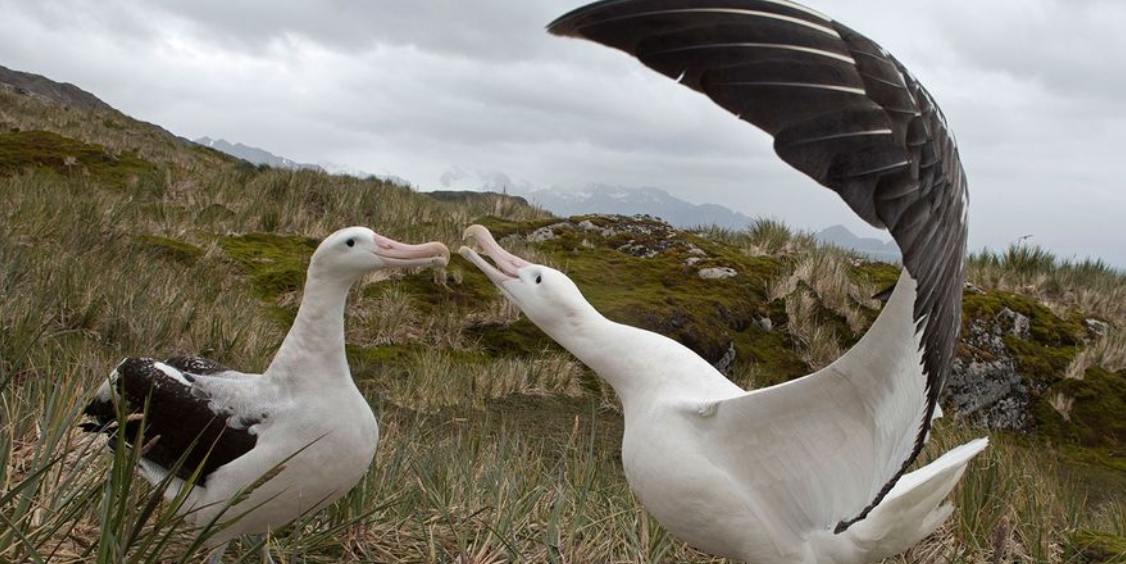
Scientists are increasingly realizing that animals, like people, are individuals. They have distinct tendencies, habits and life experiences that may affect how they perform in an experiment. That means, some researchers argue, that much published research on animal behavior may be biased. Read more: Smithsonian Magazine
Stupid Hot’: Heat Waves Muddle the Minds of Animals and Humans”
That experiment is part of a growing body of research suggesting that animals get their minds muddled during heat waves. When it’s hot outside, birds struggle to learn, dogs bite more often and goat-like chamois pick fights. This is bad news—and not just for those who get on Fido’s toasted nerves. Read more: Smithsonian Magazine
Revealing the hidden kingdom of seahorses”
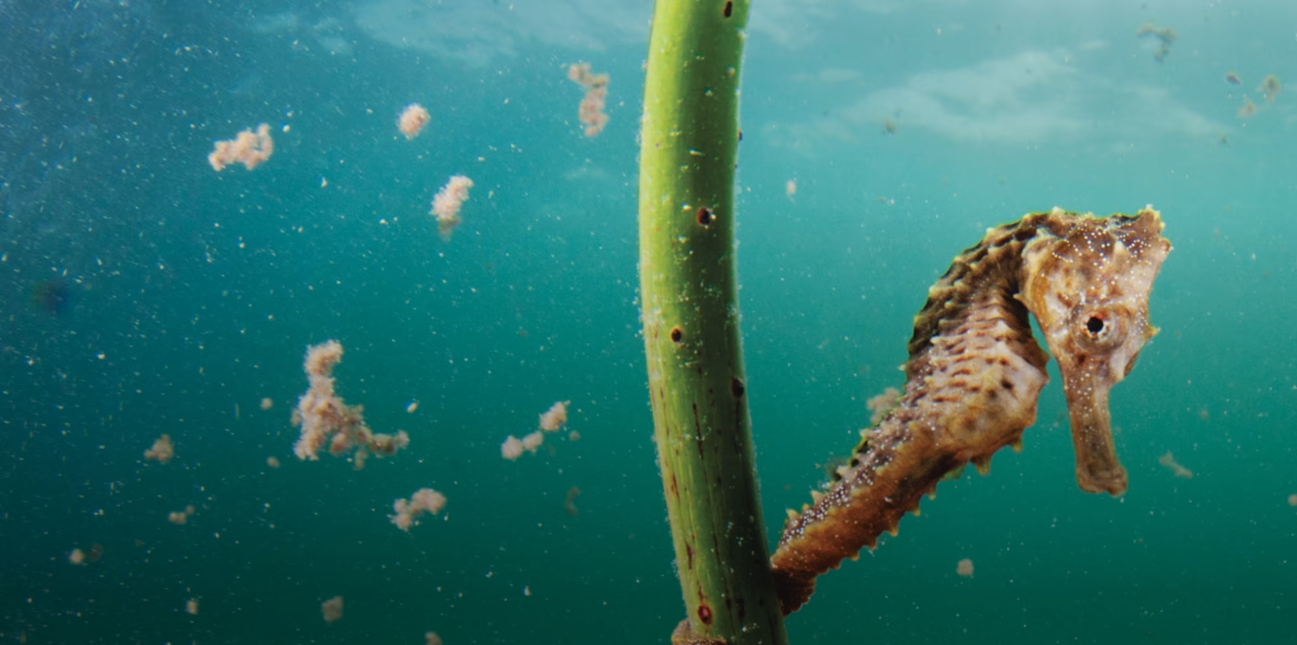
On a Bahamian island, in a landlocked lagoon, the planet’s densest collection of seahorses is offering scientists new insights into the secret lives of one of the world’s most mysterious fish. A saltwater pond in the Bahamas hosts a never-before-seen wonder: a thriving, isolated population of seahorses. Read more: National Geographic
The ice that once saved bowhead whales is vanishing beneath them”
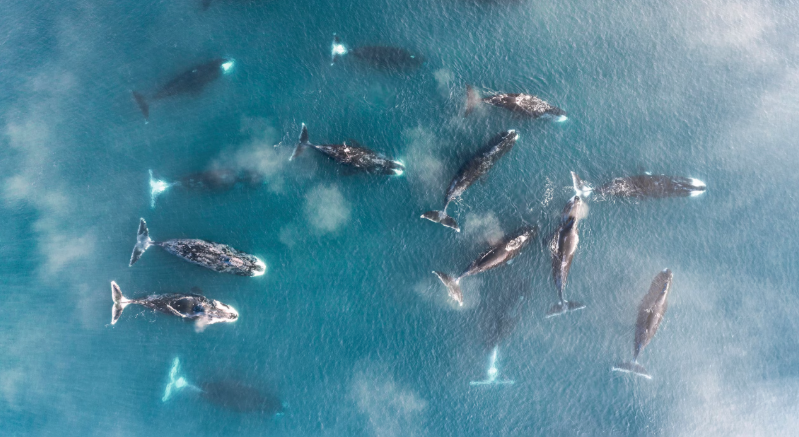
Between the 17th to early 20th century, thousands of ships sailed the waters of the Arctic. Populations of bowhead whales were able to hide from hunters under ice, a new study finds, saving them from extinction. But now, climate change is making that refuge disappear, threatening to disrupt their migrations. Read more: National Geographic
Gooey blue blobs are washing up on U.S. beaches—here’s why
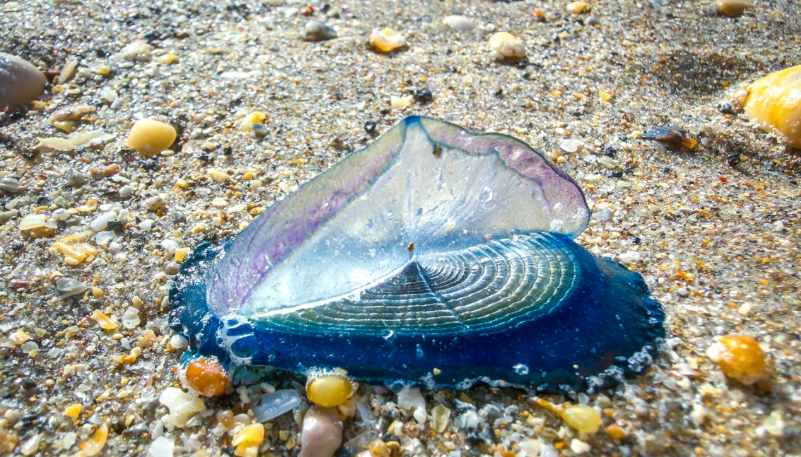
This spring, beaches from California to Washington have become clogged with small, squelchy electric blue animals—piled up several inches deep in some places—accompanied by a dubious smell. These jellyfish-like creatures float along the ocean surface using their tentacles to feed on plankton below. Read more: National Geographic
Meet ‘The Baroness’—the world’s longest wild snake
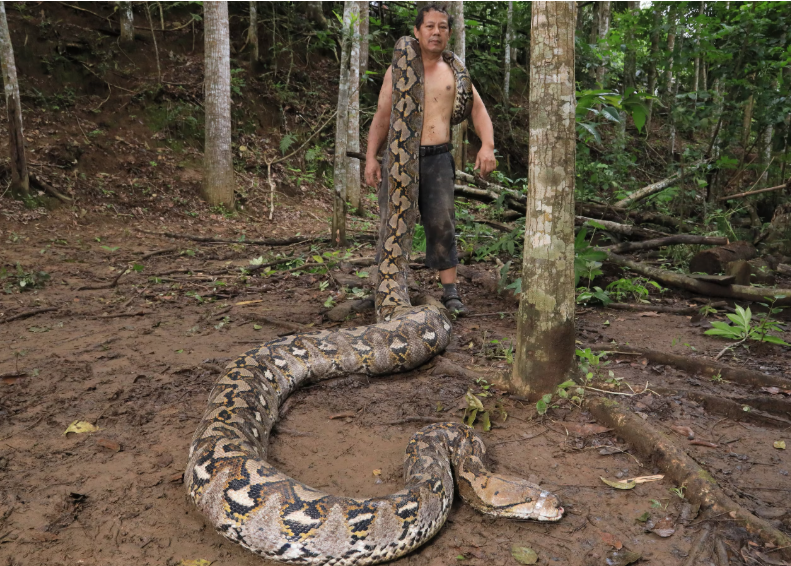
Nothing could have prepared Radu Frentiu for meeting the snake known as Ibu Baron, which means “The Baroness” in Indonesian. “I had never seen a snake this big,” says Frentiu. “This snake could easily swallow at least a calf, if not an adult cow.” The massive python has now been verified by Guinness World Records. Read more: National Geographic


Recent Comments